





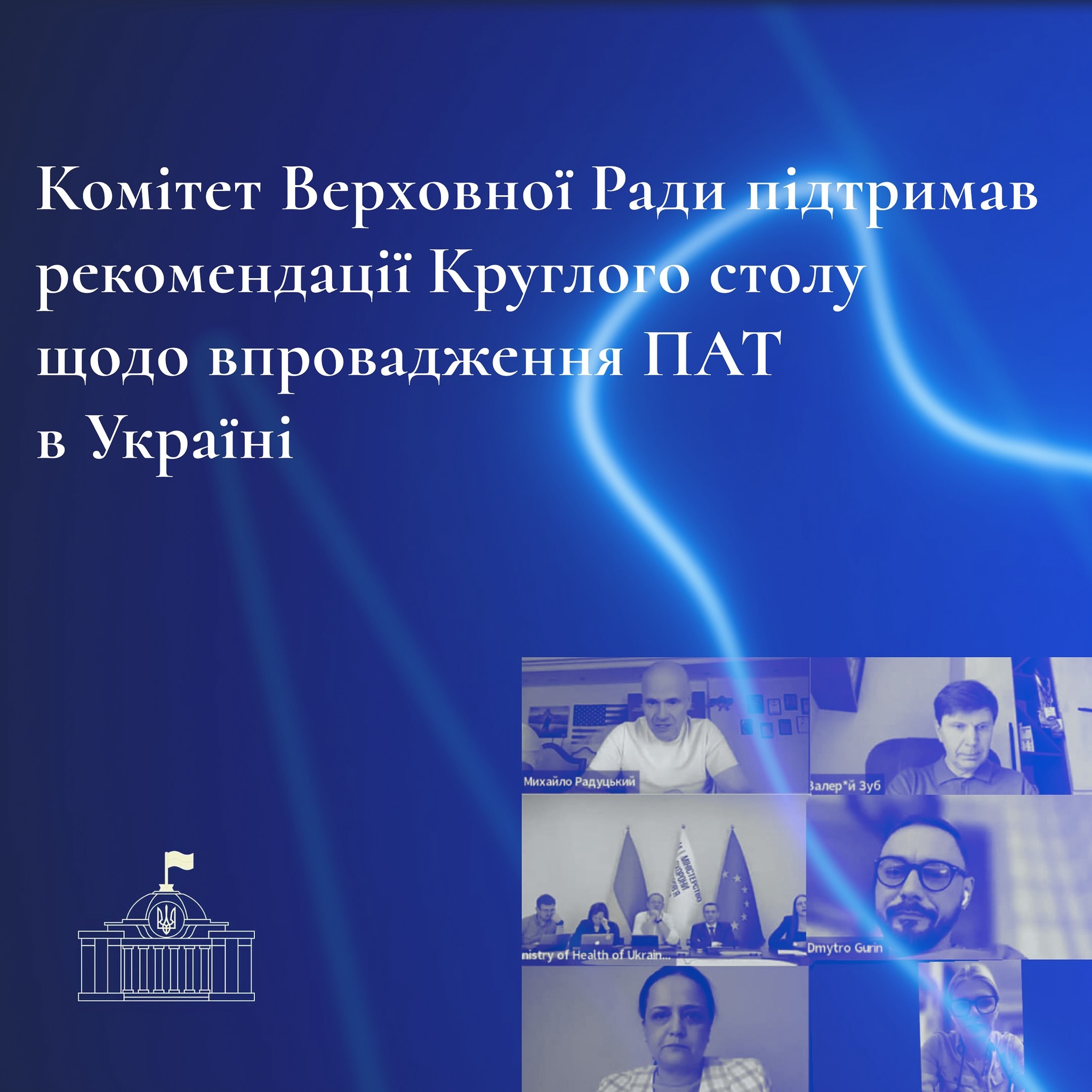
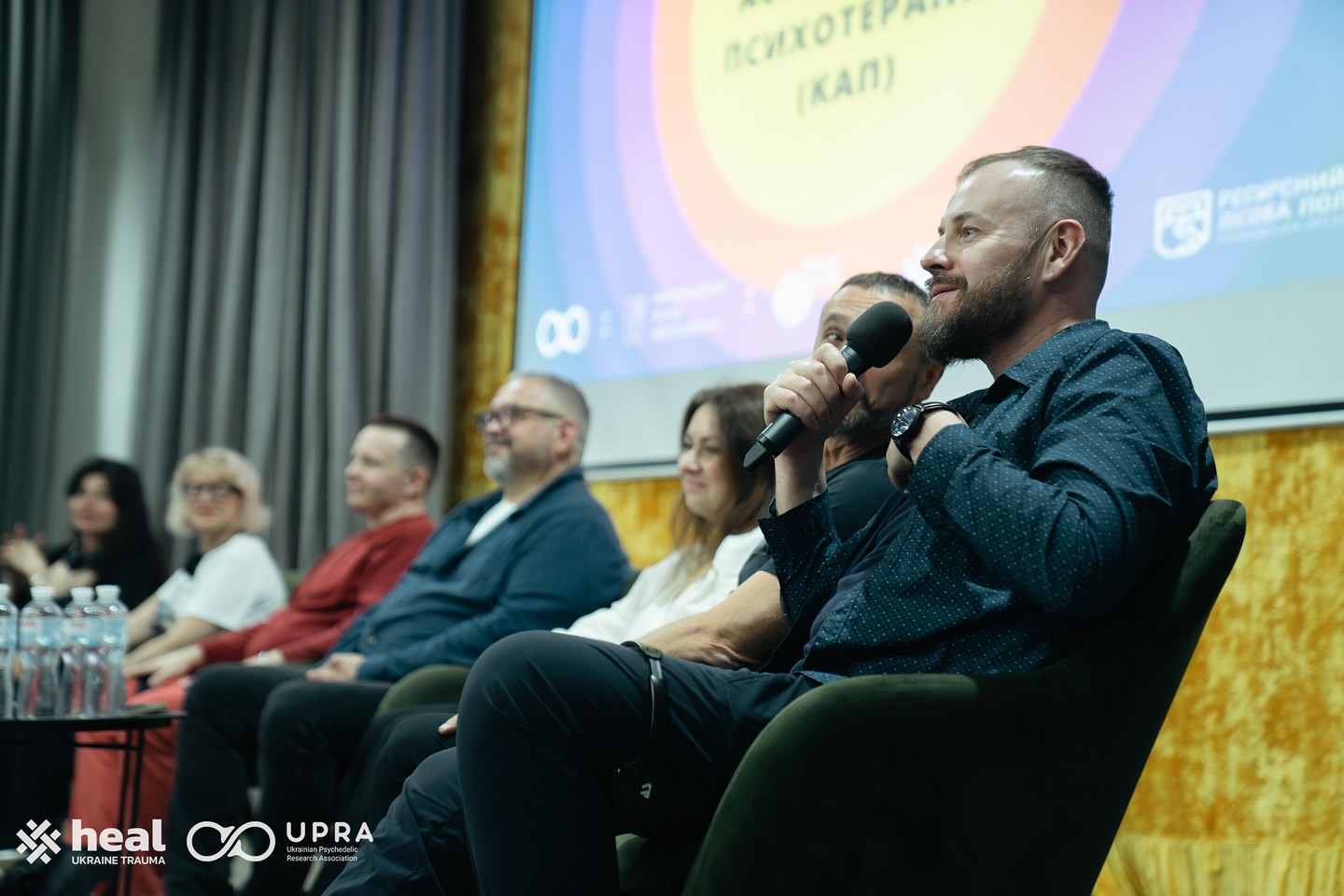
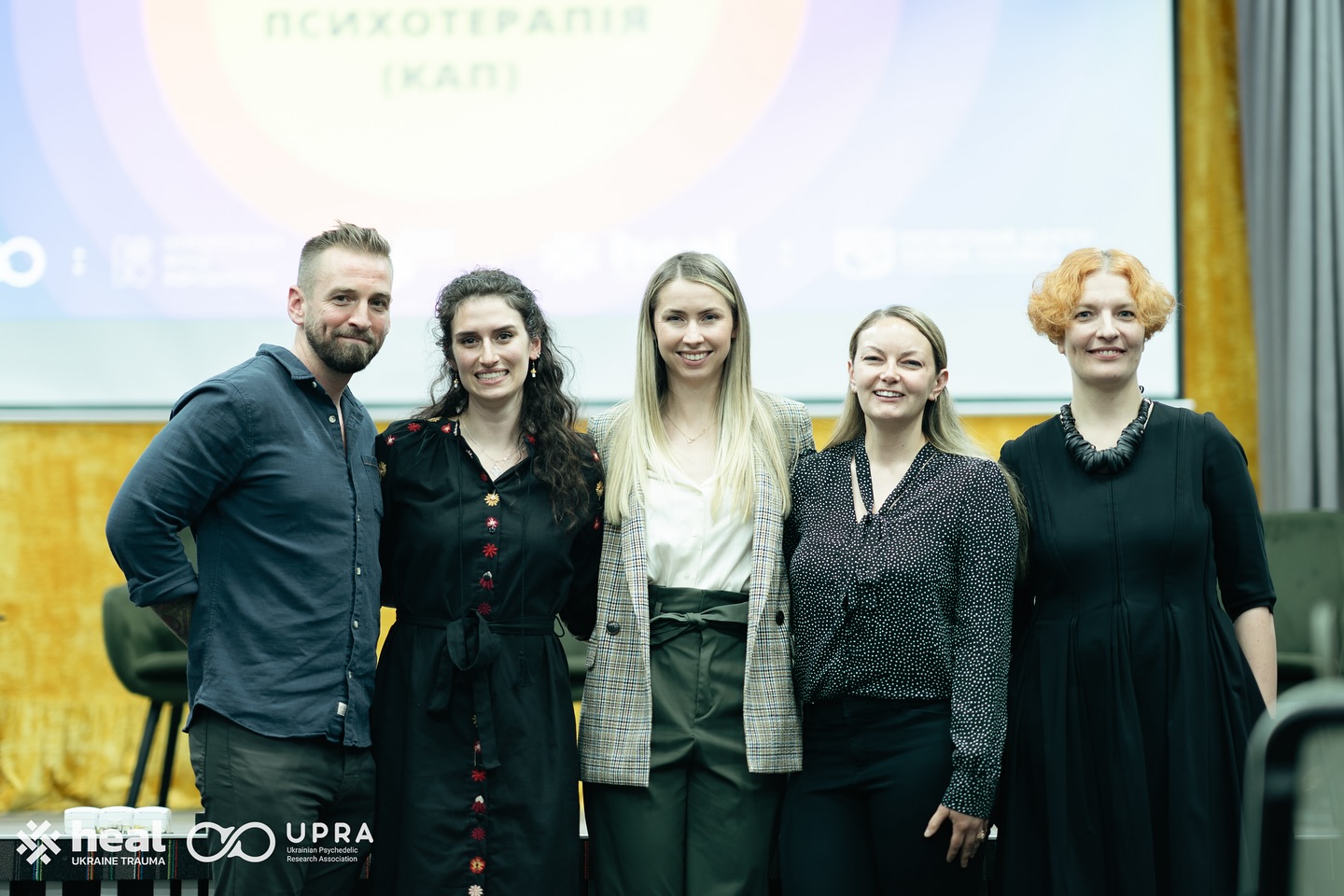
About a year ago, the first Ukrainian conference on psychedelic-assisted therapy was held at the "Lisova Polyana" Mental Health and Rehabilitation Center of the Ministry of Health of Ukraine.
On May 3, 2024, the Verkhovna Rada Committee on National Health, Medical Care, and Medical Insurance supported the revision of the Procedure for Conducting Scientific Research with Psychotropic Drugs from Table 1.
What does this mean?
Once the Cabinet of Ministers and the Ministry of Health approve this procedure, the first patients will be able to receive effective treatment for resistant forms of PTSD in Ukraine under experimental conditions in medical institutions.
This is a very important step forward for our activities.
What does this mean?
Once the Cabinet of Ministers and the Ministry of Health approve this procedure, the first patients will be able to receive effective treatment for resistant forms of PTSD in Ukraine under experimental conditions in medical institutions.
This is a very important step forward for our activities.
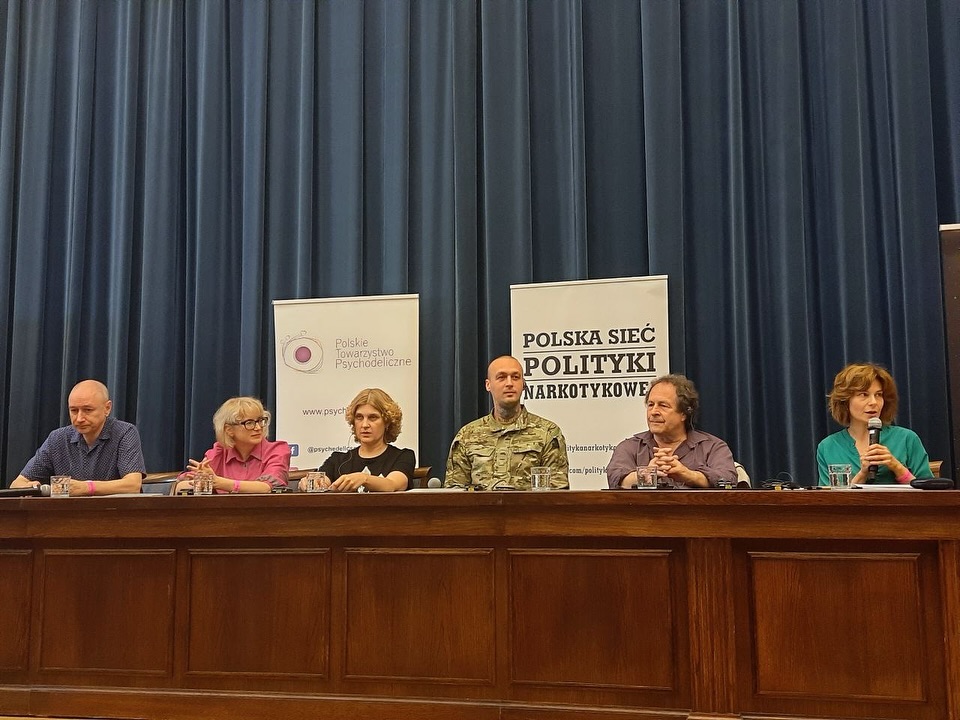
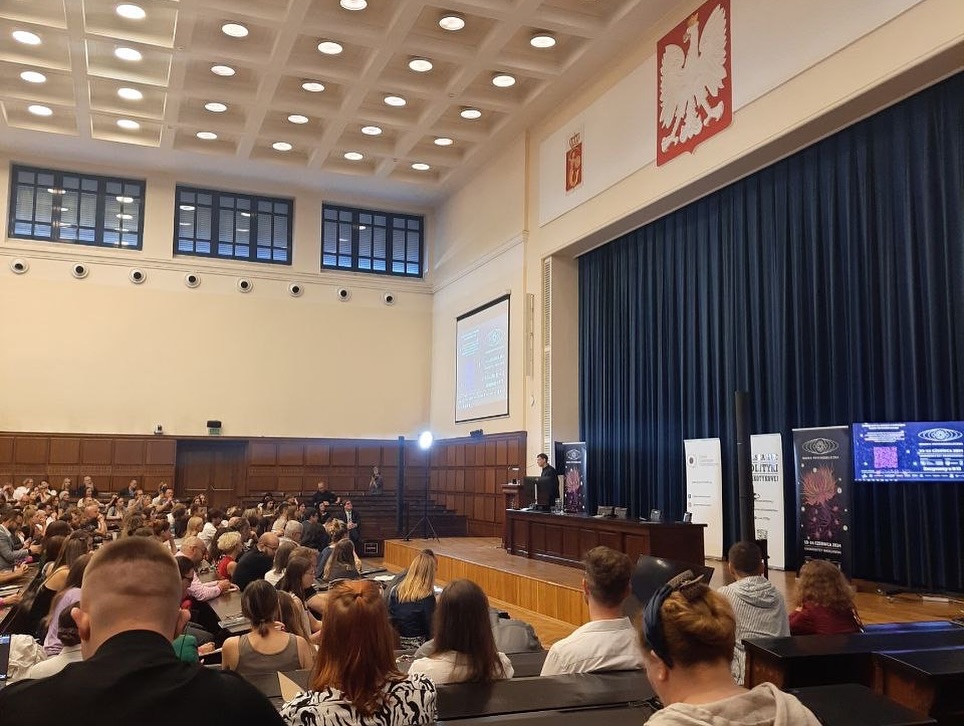
Psychedelic science is coming to Ukraine: UPRA at an international conference and strategic workshop in Warsaw. This month, UPRA representatives took part in two significant events in Warsaw, marking a major step forward in the development of psychedelic therapy in the world and Ukraine.
June 14-15, 2024. Warsaw University hosted the interdisciplinary conference "Psychedelic Science 2024," organized by the Polish Psychedelic Society and the Polish Drug Policy Network in cooperation with the Faculty of Law and Administration of Warsaw University. The world's leading experts on psychedelics gathered to explore their therapeutic potential and effectiveness in treating mental disorders.
The following issues were discussed:
- Could psychedelic drugs be a breakthrough in mental health treatment?
- How to optimize the set and setting for the best therapeutic effect?
- What challenges do we face in using psychedelics to treat depression and PTSD?
- Ethical dilemmas of psychedelic therapy in the context of criminalization of drug use and possession.

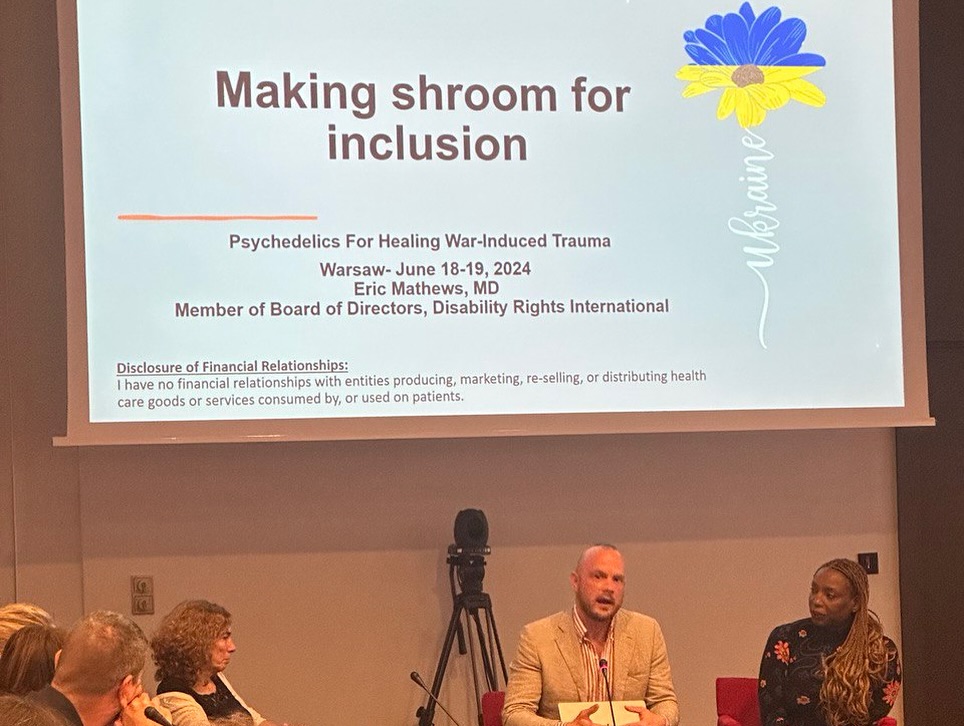
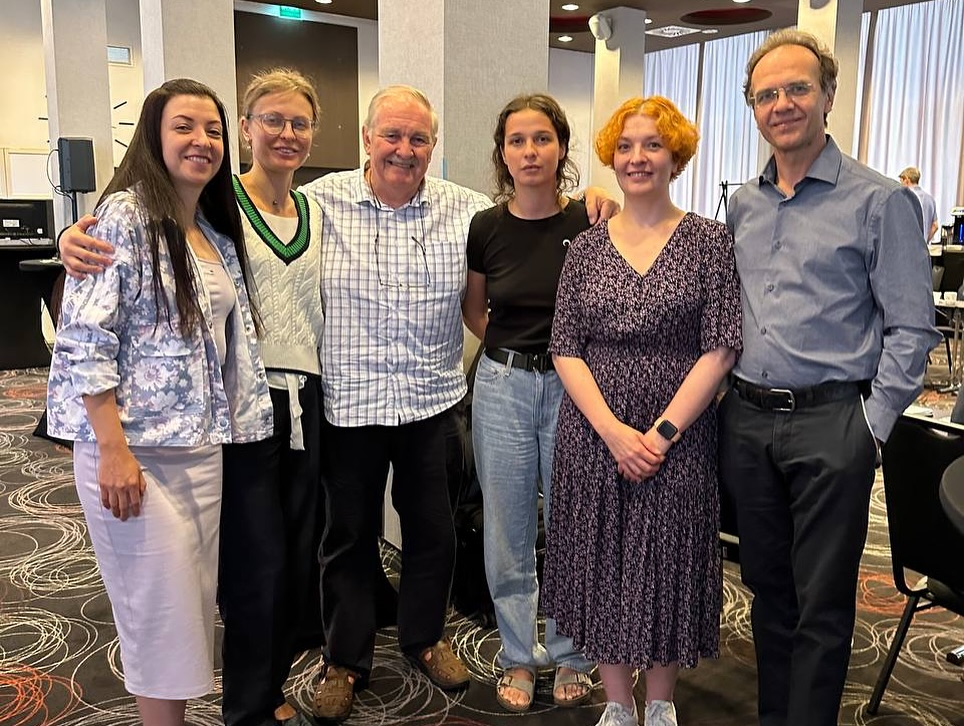
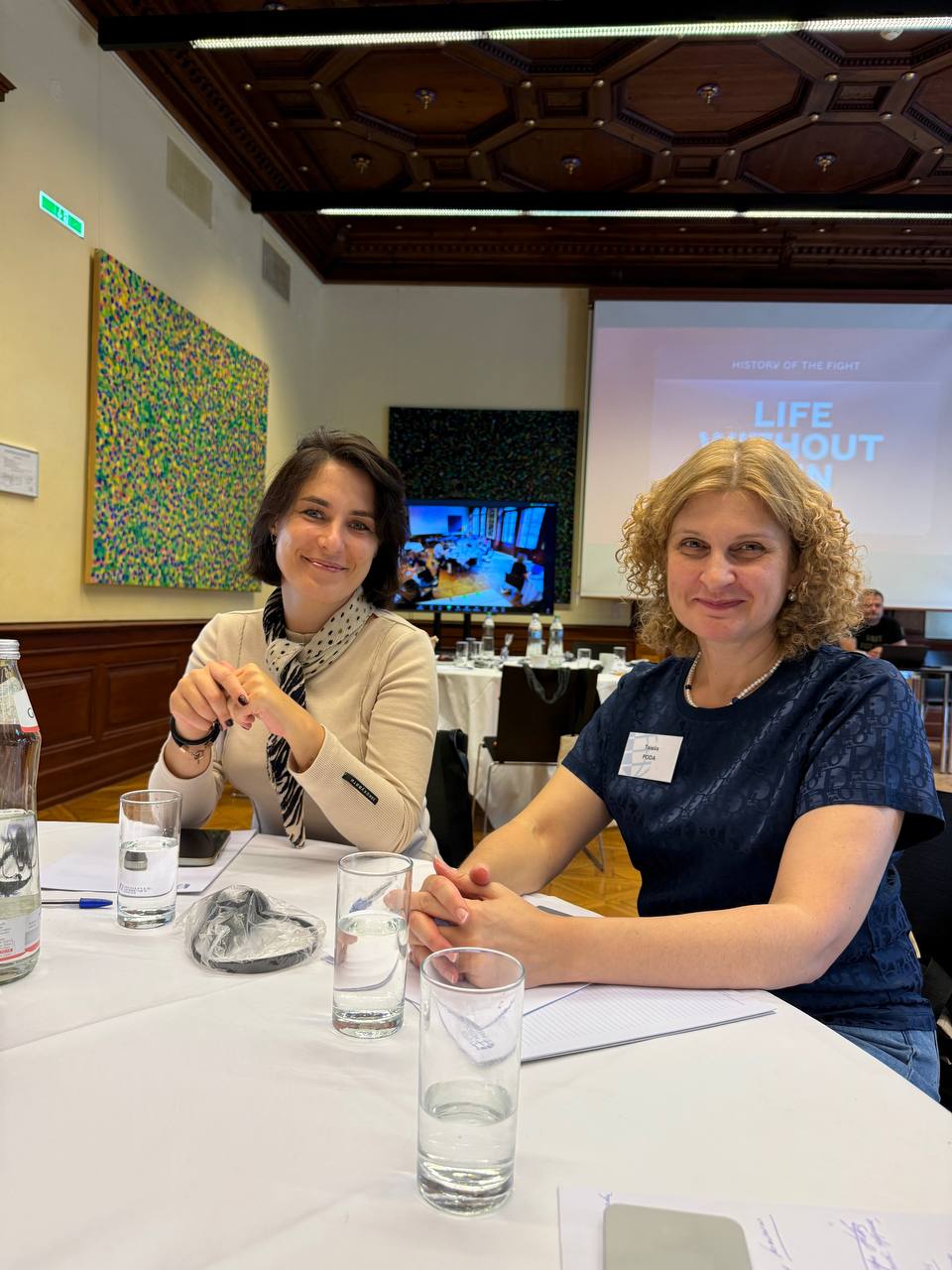
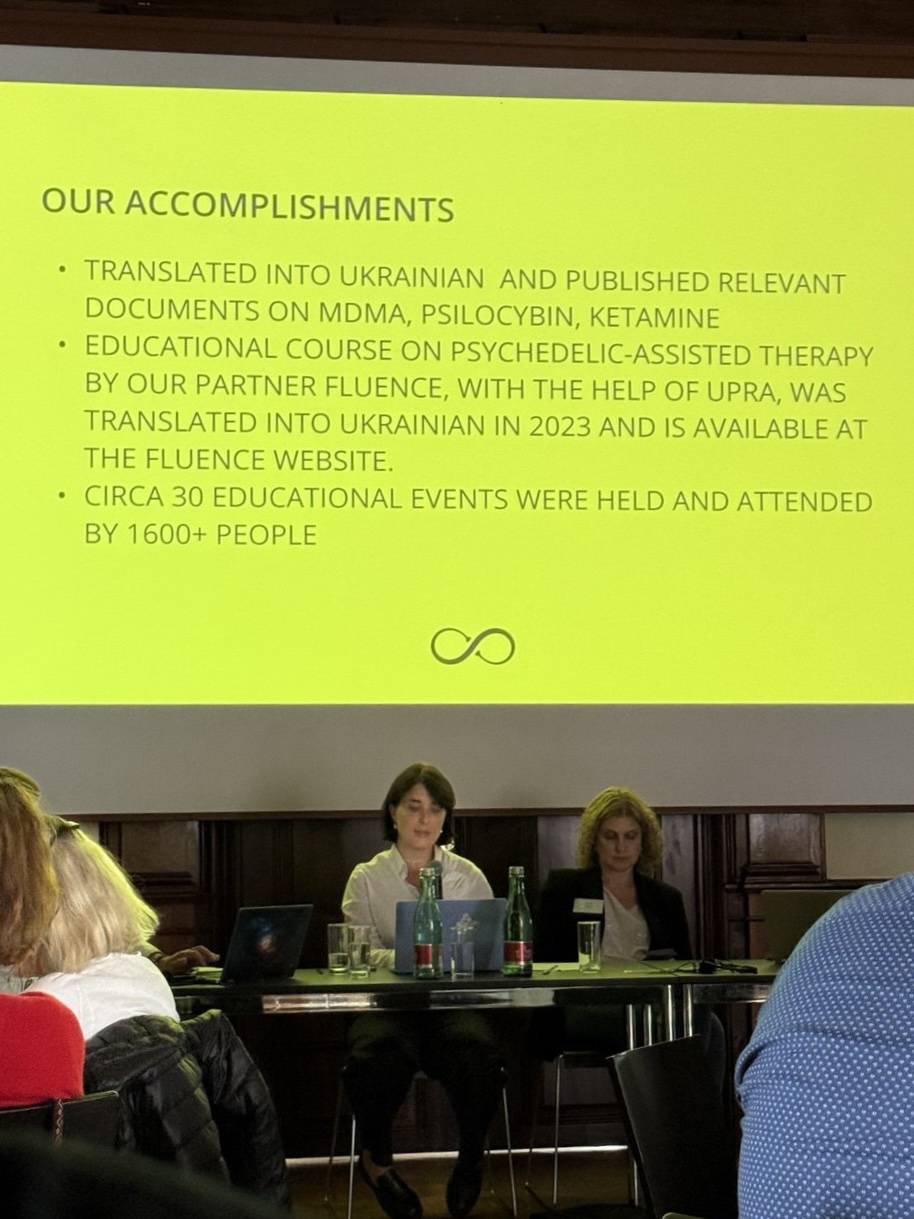
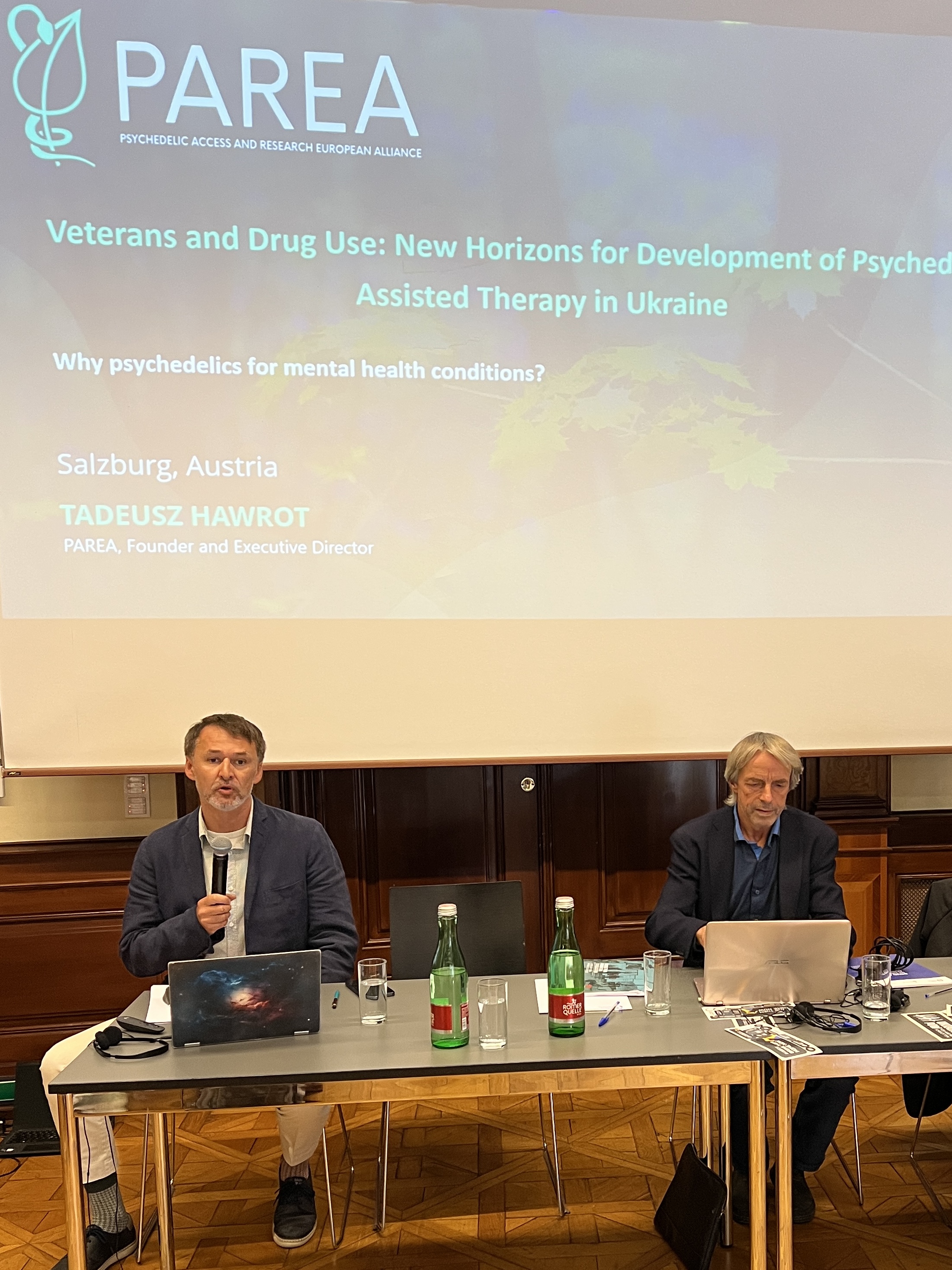
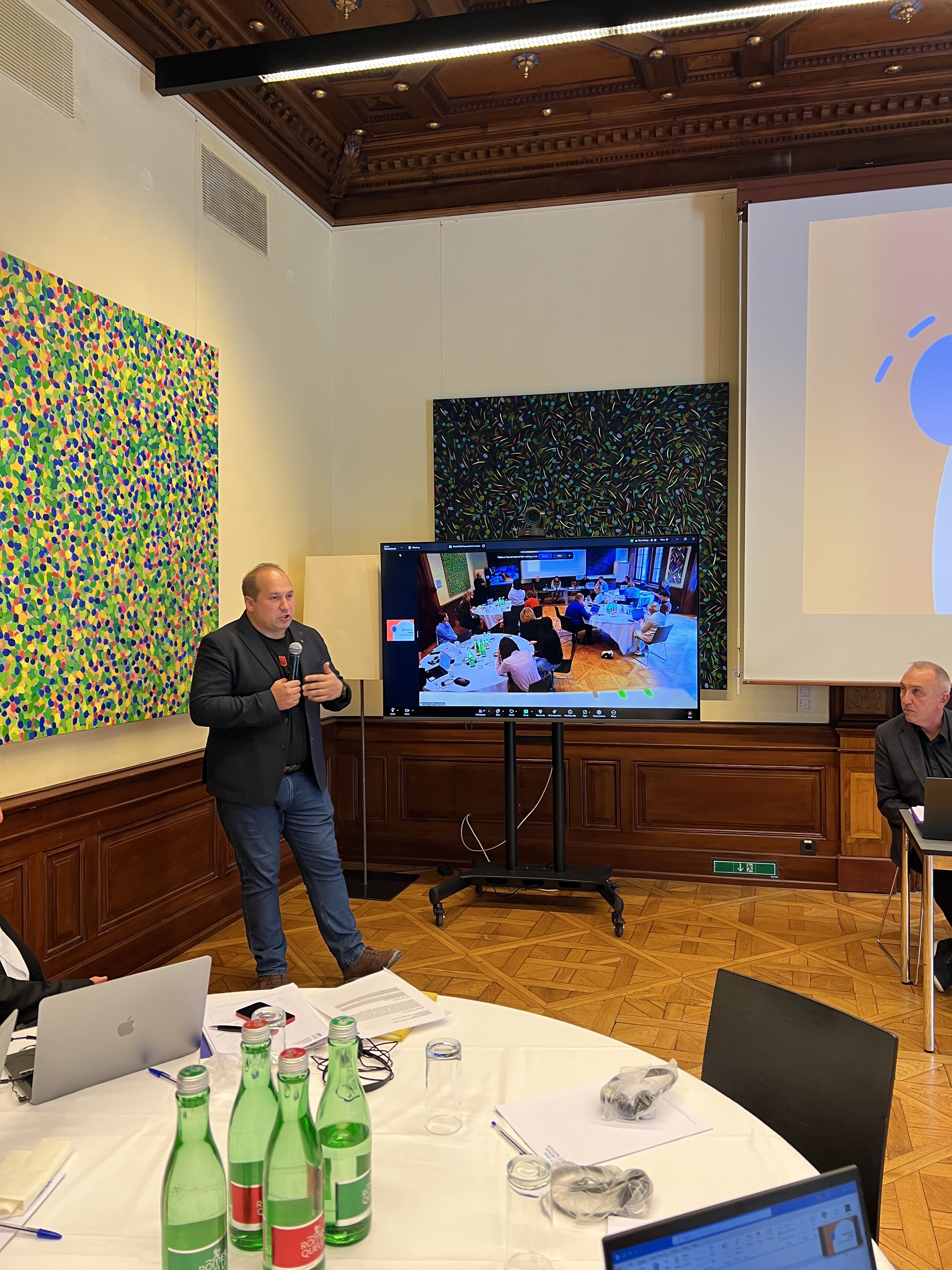
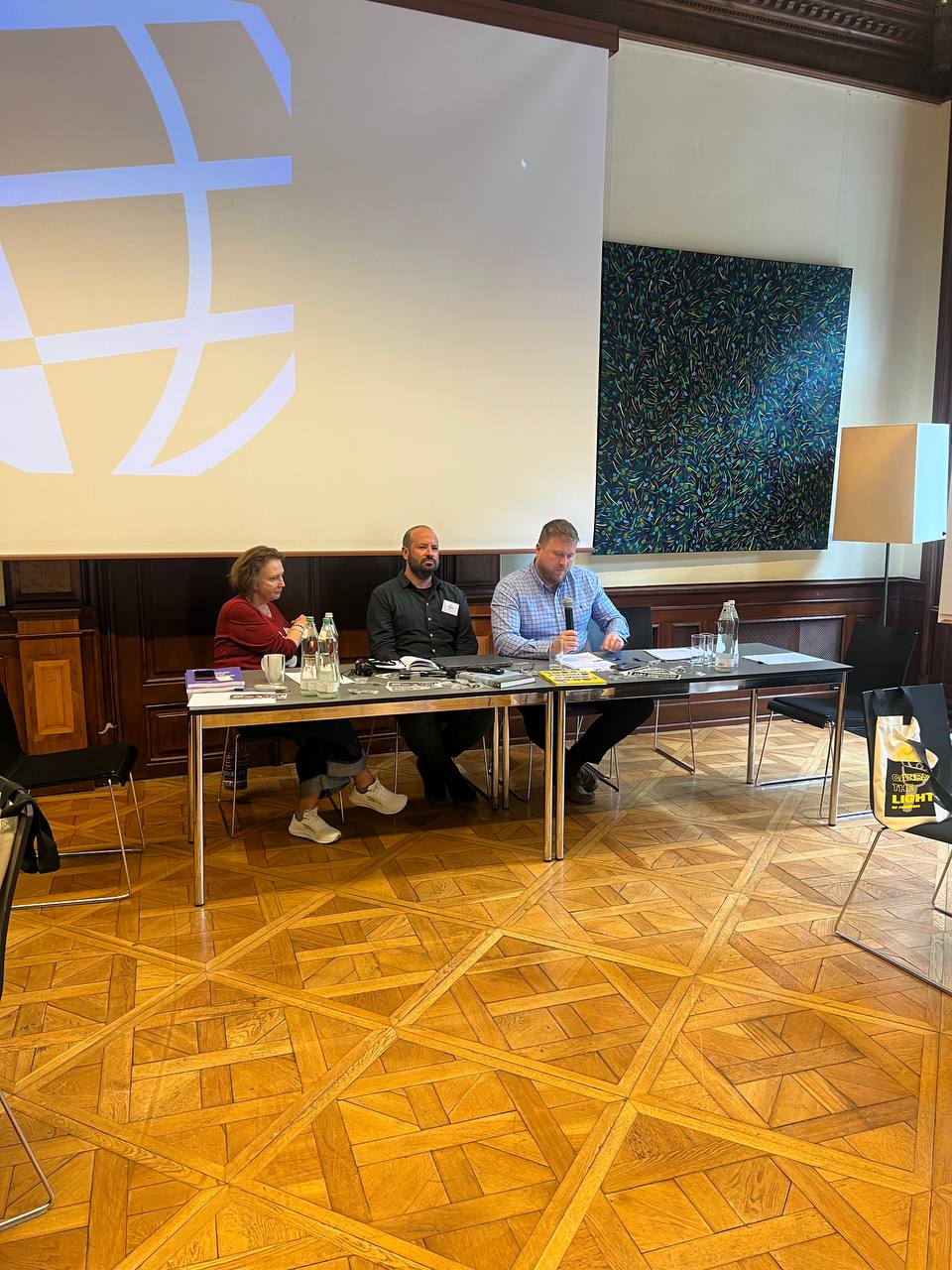
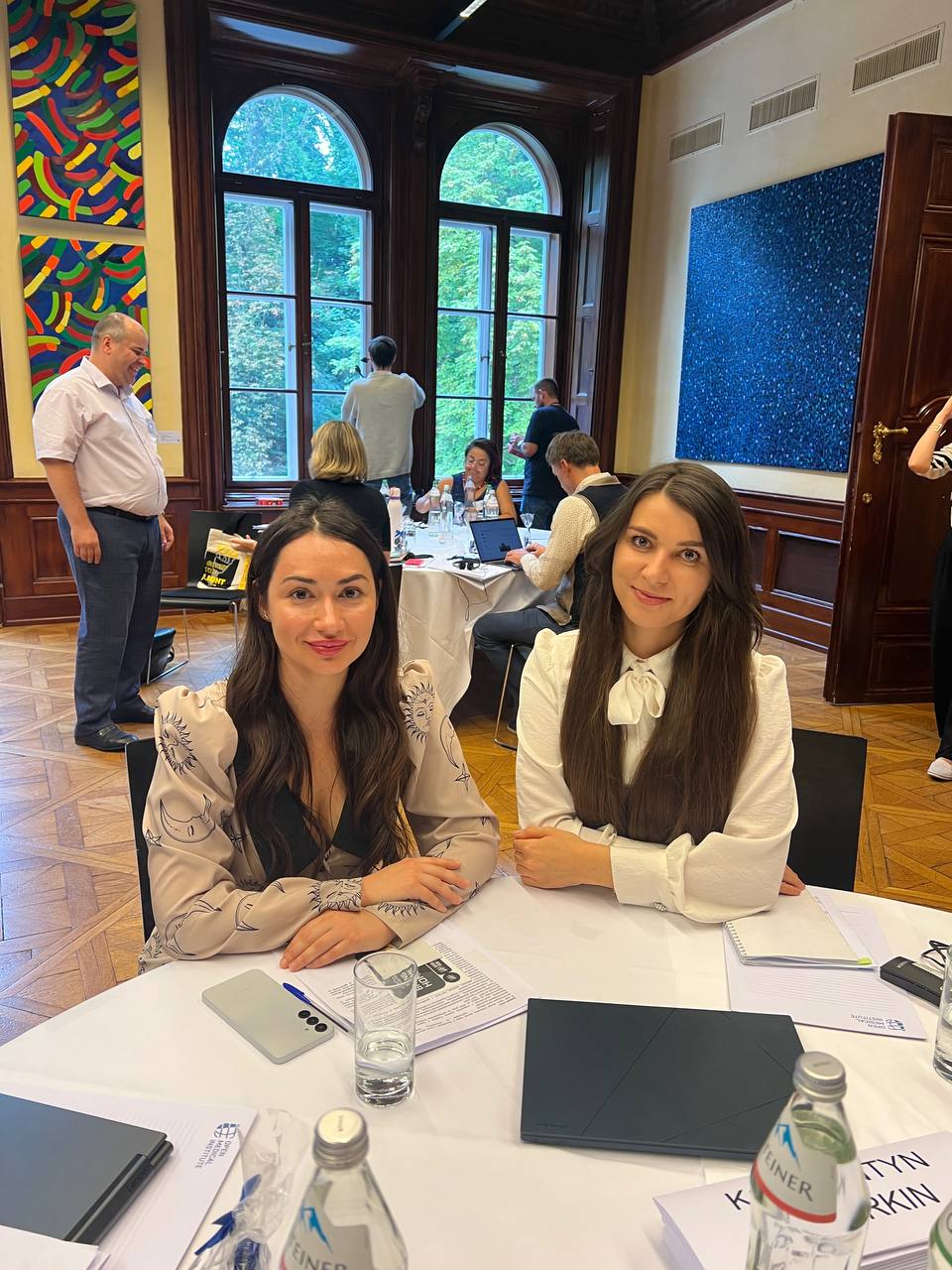
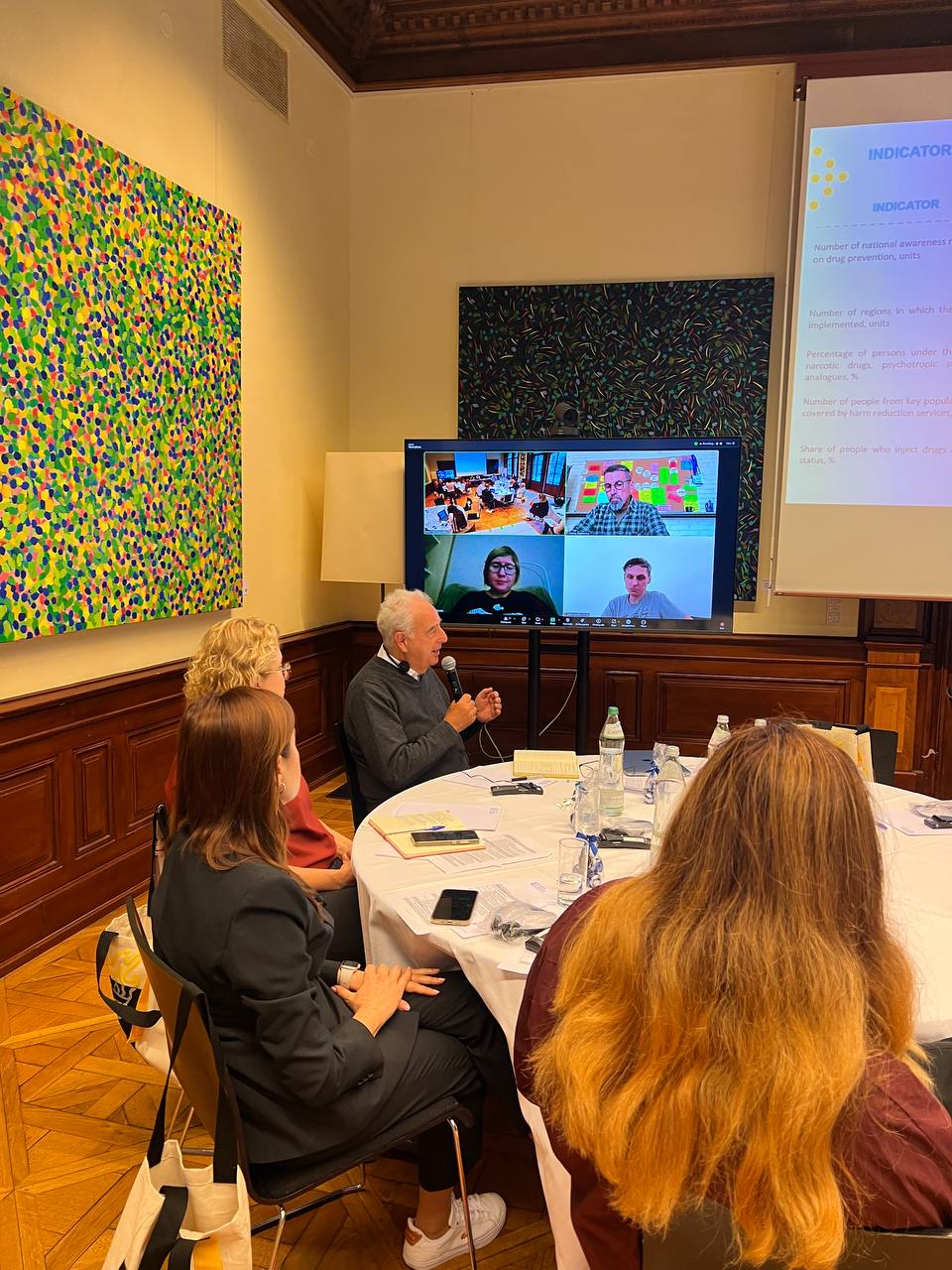
On June 17-18, the Psychedelics for Healing War-Induced Trauma strategic workshop was held, organized by the European Alliance for Psychedelic Access and Research in collaboration with the Open Society Foundation, the International Renaissance Foundation, and the Helsinki Foundation for Human Rights in cooperation with UPRA. The aim of the workshop was to develop a support system for Ukraine in the field of research and implementation of psychedelic therapy.
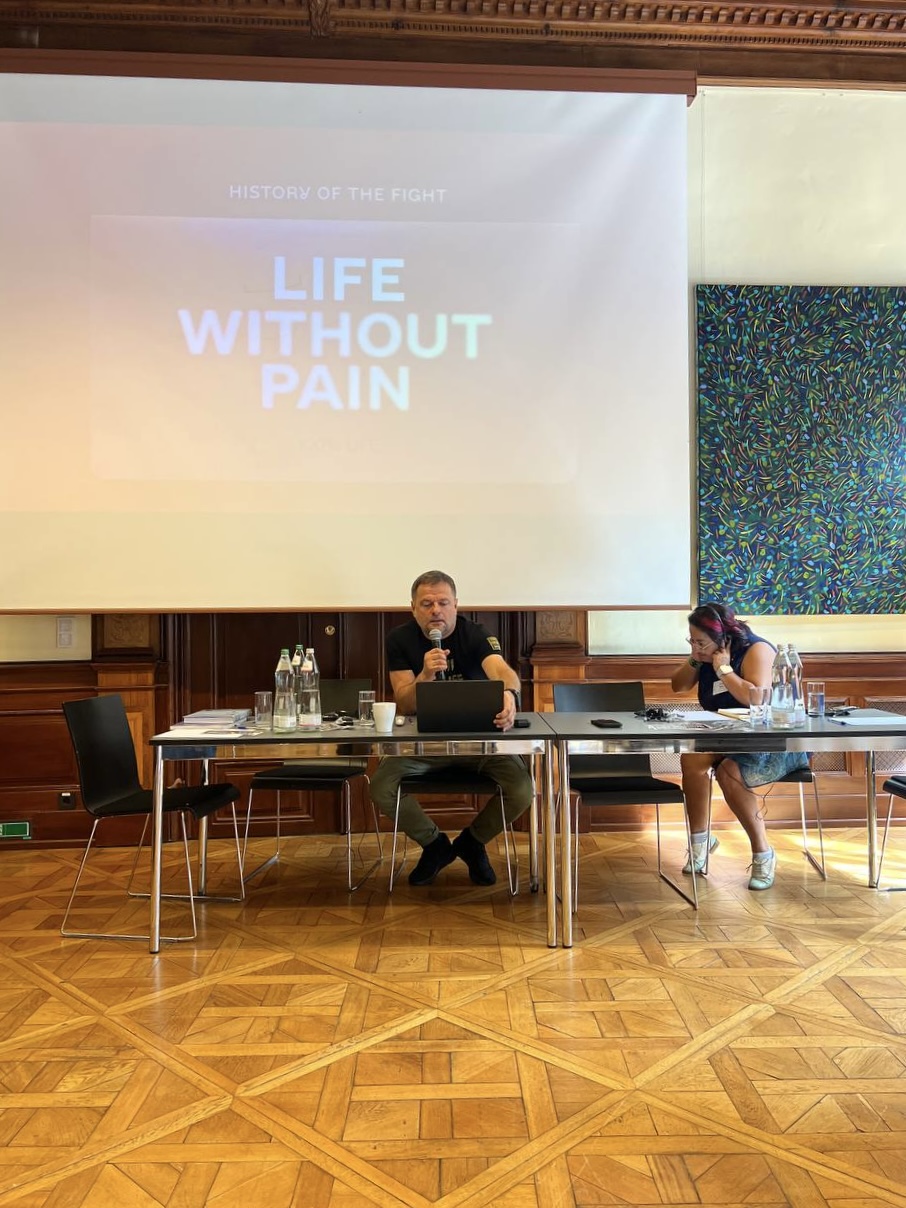
UPRA Chairman Oleg Orlov spoke about plans to begin scientific research into psychedelics at the end of 2024. The plans include the creation of five research partnerships in five Ukrainian institutions with international cooperation.
UPRA co-founder and psychotherapist Vladislav Matrenitsky shared his experience treating depression and PTSD at the Expio Center for Psychotherapy, Psychosomatics, and Psychedelic Medicine for civilians and veterans using ketamine therapy.
Anton Mormul described how psychedelic recovery is happening for veterans from Ukraine and families of fallen defenders in the Phoenix project.
Rick Doblin, Multidisciplinary Association for Psychedelic Studies (MAPS), shared his experience with testing MDMA therapy for post-traumatic stress disorder, talked about MAPS projects in Sarajevo and a training base in Warsaw for Ukrainian and Polish therapists.
David Nutt (Imperial College London) and Eric Vermetten (Ministry of Defense of the Netherlands, Leiden University) presented the latest research in neurobiology and psychopharmacology of psychedelics and MDMA in healthy volunteers and patients.
Elizabeth Ames and Alice Wilson from Heal Ukraine Trauma spoke about the creation of a protocol for group ketamine-assisted psychotherapy and a project to improve the qualifications of psychotherapists. Lesya Bondarenko (Lesna Polyana) shared her experience of integrating veterans into society, while Bella Ben-Gershon, director of the Mental Trauma Department at the Israeli Ministry of Health, spoke about new clinical trials in Israel. The possibilities of introducing psychedelic medicine, pharmacoeconomic aspects, the experience of the United States, and cooperation with academic institutions were discussed.





Partners